
Travel Journals

LADAKH: An inner journey
No place I have ever visited touches me as much as the Himalayas. That's where I go when Delhi's heat rises and I need some silence to think, away from...
LADAKH: An inner journey
No place I have ever visited touches me as much as the Himalayas. That's where I go when Delhi's heat rises and I need some silence to think, away from...
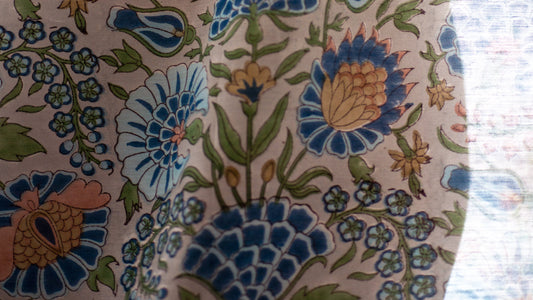
CHANDERI, the royal weavers
For many centuries, Chanderi has been a designation of origin for fabrics that come from the city where these weavers have lived for centuries, specializing in making sarees for royalty....
CHANDERI, the royal weavers
For many centuries, Chanderi has been a designation of origin for fabrics that come from the city where these weavers have lived for centuries, specializing in making sarees for royalty....

TUSSAR, the wild silk
Tussar is also called wild silk because its cocoons are not cultivated, but grow in forests where the larvae of the Emperor Moth, Antharea Paphis, feed on the leaves of...
TUSSAR, the wild silk
Tussar is also called wild silk because its cocoons are not cultivated, but grow in forests where the larvae of the Emperor Moth, Antharea Paphis, feed on the leaves of...
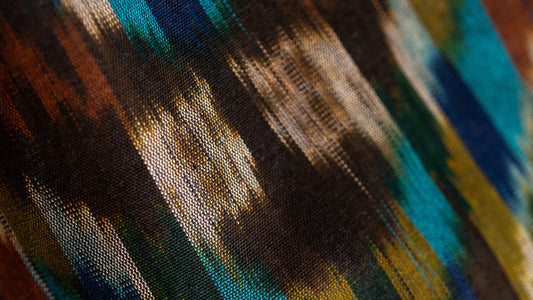
IKAT, ancestral weaving
Ikat is a technique that combines dyeing and weaving. It uses a type of resist dyeing, where bundles of yarn are tied extremely tightly and then dyed in as many...
IKAT, ancestral weaving
Ikat is a technique that combines dyeing and weaving. It uses a type of resist dyeing, where bundles of yarn are tied extremely tightly and then dyed in as many...
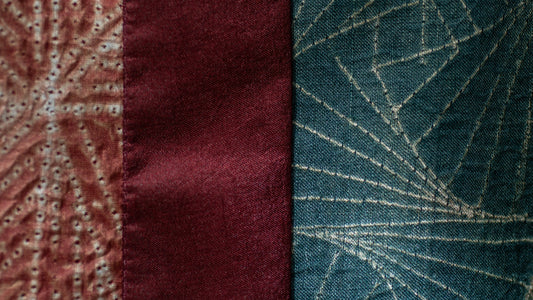
SHIBORI, heritage stamping manual
Unexpected patterns and fluidly blending tones. This manual printing technique, which originated in Japan in the 8th century, traditionally used the natural blue dye from the Indigo plant. It spread...
SHIBORI, heritage stamping manual
Unexpected patterns and fluidly blending tones. This manual printing technique, which originated in Japan in the 8th century, traditionally used the natural blue dye from the Indigo plant. It spread...